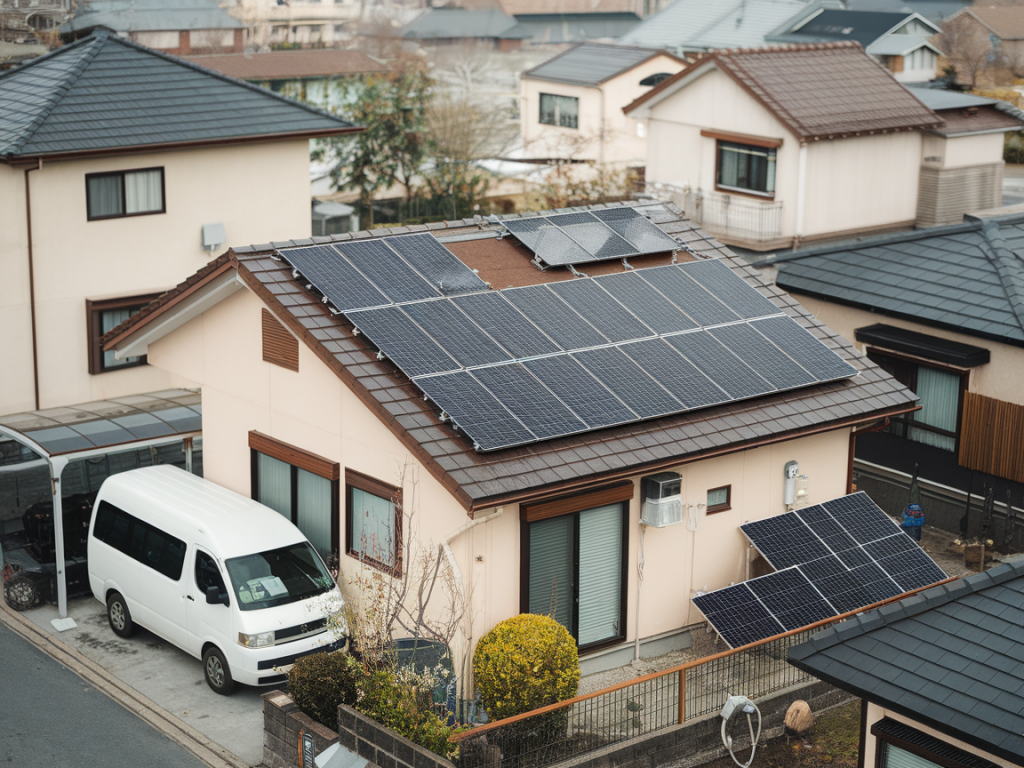
I’ve been watching rooftop solar move from rooftop novelty to neighbourhood movement for years, and one question keeps coming up: can community rooftop solar buybacks actually lower household bills — and if so, how can neighbours set one up without waiting for council approvals? I dug into how people are doing it, what makes it work (and fail), and the practical steps you can take if you want to turn your block into a small local energy market.
Why community buybacks make sense
At its core, a rooftop solar buyback scheme is straightforward: households with excess solar generation sell that energy to neighbours at a rate usually lower than retail electricity but higher than what the grid would credit them for export. The buyer pays less than their usual utility rate; the seller earns more than the typical feed-in tariff. Everyone wins — in theory.
What’s attractive is the local aspect. When energy flows within a short distance, losses are smaller and the value to the community (reduced local peak demand, lower network strain) is higher. For me, the most convincing evidence comes from pilot projects and community energy groups that report measurable bill reductions and stronger local engagement.
Key components you’ll need
Setting this up without council approval is possible in many places, but it depends on local regulations. Here are the building blocks you’ll want to arrange:
Host roofs and systems: Homes (or businesses) with solar PV and inverter capacity to export surplus.Buyers: Neighbouring households willing to purchase energy at an agreed rate.Smart metering and submetering: Accurate measurement of how much energy flows between participants.Peer-to-peer trading platform or payment system: This can be as simple as a spreadsheet and monthly settlement or as sophisticated as a platform like Pexa, LO3, or community energy apps depending on your country.Agreements: Clear, written contracts covering price, measurement, times, and dispute resolution.Basic technical coordination: A plan to ensure exports don’t exceed safe limits and to handle inverter behaviour.How to structure a deal that saves money
When I talk to neighbourhood groups that make this work, their pricing model is simple: sellers charge a rate lower than the buyer’s retail tariff but higher than the feed-in tariff. For example, if your retail rate is £0.30/kWh and the export tariff is £0.06/kWh, a neighbourhood price of £0.12–0.18/kWh can be attractive to both sides.
Other variables that improve outcomes:
Time-of-use alignment: Match sales to daytime peaks when solar is abundant.Storage integration: If a seller adds a battery, they can time exports and sell at higher value.Load management: Buyers can shift high-usage tasks (washing, EV charging) to solar hours to maximise savings.Practical, step-by-step setup without council sign-off
Here’s a pragmatic roadmap that I’ve seen work repeatedly. It’s oriented toward neighbours organising among themselves rather than setting up a formal community energy company that would trigger more regulation.
1. Gather interested neighbours and map assets. Start with a simple survey: who has solar, who wants to buy, whether anyone has a battery, and who is willing to manage admin. A WhatsApp group and a shared Google Sheet work wonders.2. Agree basic commercial terms. Decide on price, billing frequency (monthly is easiest), and a trial period. Transparency builds trust: publish the calculation method and keep records.3. Sort metering. Accurate measurement is the trickiest technical part. There are two common approaches: Spot metering: Use portable export meters (clip-on or smart meters) to measure export from the selling PV system and import at the buying property during agreed hours. These readings become the basis for monthly invoicing. Submetering and energy monitoring: Install submeters at each participant’s incoming supply (companies like OpenEnergyMonitor, Shelly, or TED Pro Home offer options). These can send live data to a central dashboard for settlement.4. Decide how to pay. For low-complexity setups, simple billing works best. The buyer pays the seller (or a designated treasurer) and the treasurer passes funds to sellers after taking an agreed administrative cut. For groups that want automation, platforms like Solshare (used in some countries), EnergiMine, or community P2P apps can automate matching and payments.5. Draft a basic agreement. This should cover price, measurement method, billing cycle, length of agreement, and dispute resolution. It doesn’t have to be a lawyer’s tome — many community energy groups share templates you can adapt.6. Run a small pilot. Start with one seller and one buyer for a month or two. Record actual energy flows and savings, then tweak the price and logistics before scaling up.7. Keep records and communicate. Monthly statements that show kWh transferred, price per kWh, and comparative savings vs. retail help maintain trust. Regular check-ins in your group are critical.Legal and regulatory red flags to watch
Because rules vary, I always tell neighbours to check two things before they start:
Grid connection rules: Some network operators restrict peer-to-peer transfers or require notification if local exports exceed certain thresholds. In places with strict rules, you risk inverter curtailment or penalties if you ignore them.Consumer protection and tax: If you scale up beyond a few households or collect money centrally, you might attract VAT or income tax implications. Don’t ignore local trading or rental rules either.I’m not a lawyer, and this isn’t legal advice — but in many cases, a small, informal arrangement between neighbours won’t trigger heavy regulation. If you think you’ll scale or formalise, consult a solicitor or an energy advisor.
Technology options and brands worth considering
Not all systems are created equal. Here are tools I’ve seen work well:
Monitoring hardware: Sense, OpenEnergyMonitor, Shelly, Fronius Smart Meter, and TED provide visibility into flows.Platforms: For organised P2P trading, look at LO3 (blockchain-based), PassivSystems, or local community energy platforms; for simpler cash settlements, use Excel/Google Sheets and bank transfers.Smart chargers and smart plugs: Integrate EV chargers (Zappi, myenergi) or smart plugs (TP-Link Kasa, Shelly) to shift loads into solar hours.Real-world trade-offs and pitfalls
From conversations with community groups, here are common issues to anticipate:
Administration burden: Someone has to manage meters, invoices, and disputes. Volunteer energy champions can burn out.Seasonality: Solar production varies — winter yields might reduce expected savings unless you’ve priced that into the agreement.Trust and transparency: Mistrust grows fast if measurement methods are opaque. Open data and simple statements prevent most disputes.Despite these challenges, I’ve seen blocks where neighbours ended up saving 10–25% on daytime electricity spend by coordinating purchases and shifting loads. The tangible financial benefit, combined with a sense of local resilience, makes it worthwhile for many.
Next steps if you want to try
If you’re ready to experiment, start small, document everything, and be transparent with pricing and metering. Reach out to local community energy groups for templates and mentoring — many are happy to share what they learned the hard way. And if you’re ever in doubt about regulation, a quick call to your distribution network operator can save headaches later.