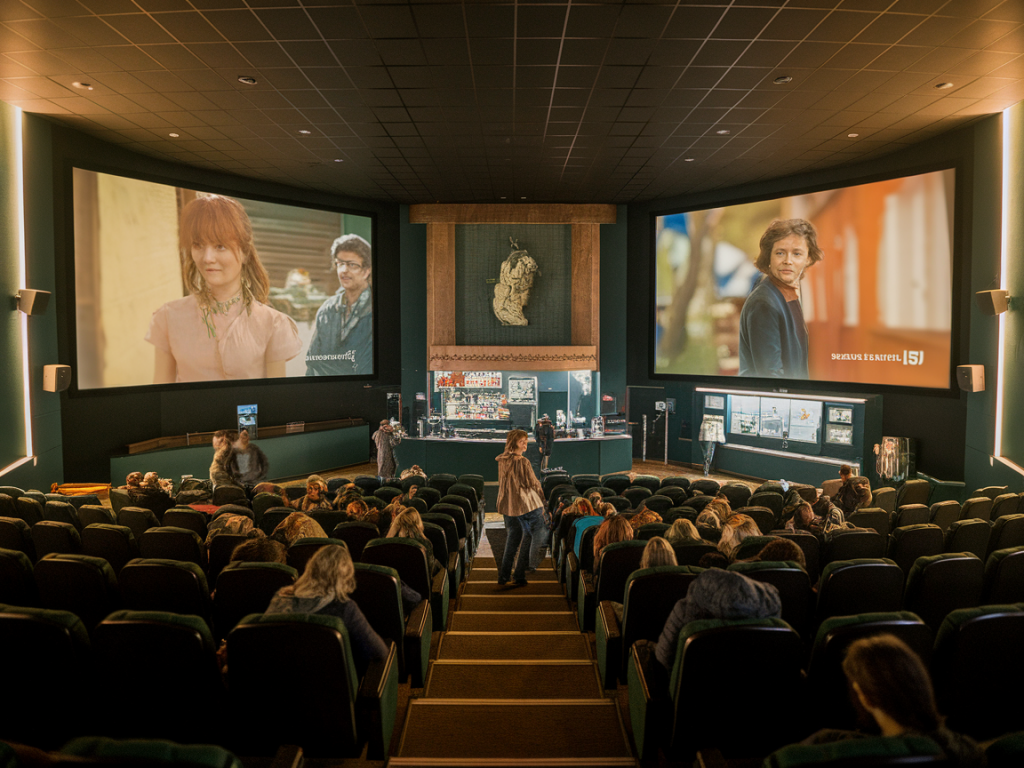
I’ve spent years watching how small cultural institutions adapt — and the ones that succeed do two things brilliantly: they meet people where they are, and they make coming back an easy, low-friction habit. Community cinemas are sitting on a huge, often overlooked opportunity to rebuild and even double audiences by pairing two simple ideas: micro-subscriptions and daypart programming. Below I’ll walk through what each approach looks like, why they work together, and exactly how local cinemas can put them into practice this quarter.
What I mean by micro-subscription and daypart programming
Micro-subscription: a low-cost, flexible recurring pass that limits access by time, screen, or content type. Think £5–£10/month for two onscreen visits per month, or a £2/week “weekday matinee” pass that covers films screened before 5pm. The idea is to lower the psychological and financial cost of repeating visits.
Daypart programming: treating your schedule like a radio station treats dayparts — different programming and pricing for morning, afternoon, evening, and late-night audiences. Matinees for parents and seniors, lunchtime screenings for freelancers, evening blockbusters for family audiences, late-night cult and repertory programming for cinephiles.
Why these tactics can double attendance
There are three behavioral levers at work.
How to design micro-subscriptions that convert
Start simple. I recommend testing two tiers for three months.
| Tier | Price (monthly) | Access | Likely audience |
|---|---|---|---|
| Weekday Matinee Pass | £3–£5 | Unlimited weekday screenings before 5pm (subject to availability) | Retirees, parents, freelancers |
| Weekend Two-Visit Pass | £8–£12 | Two weekend screenings per month | Young professionals, filmgoers with full-time jobs |
Key design rules:
How daypart programming fills seats and builds community
Once you have passes, program your calendar by daypart to give each subscriber a clear reason to come.
Promote each daypart with tailored messaging: the weekday pass should be sold alongside morning/afternoon programming; the weekend pass with evening blockbusters and events.
Marketing and community tactics that actually work
Micro-subscriptions and dayparts need consistent outreach. These are tactics I’d use right away.
Operations: ticketing, capacity, and concessions
Ticketing platforms like Spektrix, Arts People, or simple Shopify integrations can manage passes. If your system lacks subscription support, use a low-friction workaround: a membership product redeemed at point of sale, or a simple Patreon-style setup with a redemption code delivered monthly.
Capacity rules are critical: protect 30–50% of seats for walk-ups at regular price for premium shows; allow larger redemption availability in off-peak dayparts. Monitor redemption patterns weekly and tweak limits.
Concessions: offer a “subscribed snack” — a discounted popcorn and soft drink combo for passholders. Small revenue per seat multiplied across regular visits adds up fast.
Examples and quick math
Here’s a conservative projection for a 150-seat community cinema currently averaging 40% occupancy across 40 screenings/month (24,000 seat capacity/month, 9,600 tickets sold).
| Metric | Current | After micro-sub + daypart |
|---|---|---|
| Average occupancy | 40% | 65% |
| Ticket sales/month | 9,600 | 15,600 |
| Incremental tickets | — | 6,000 |
| Average ticket price | £7 | £7 |
| Additional ticket revenue | — | £42,000/month |
These numbers assume smart capacity management and a modest number of monthly subs (1,000–2,000 depending on market). Even with half the projected uplift, you've materially improved margins — and regular visit frequency is the real prize because it stabilizes revenue and community engagement.
How to pilot with minimal risk
I’ve seen local cinemas transform when they stop trying to be a generic entertainment venue and start orchestrating regular, predictable reasons for specific communities to visit. Micro-subscriptions lower the barrier to repeat attendance; daypart programming gives those subscribers a tailored experience that feels curated, not incidental. Together, they create habit, community, and reliable revenue — the three things independent cinemas need most.