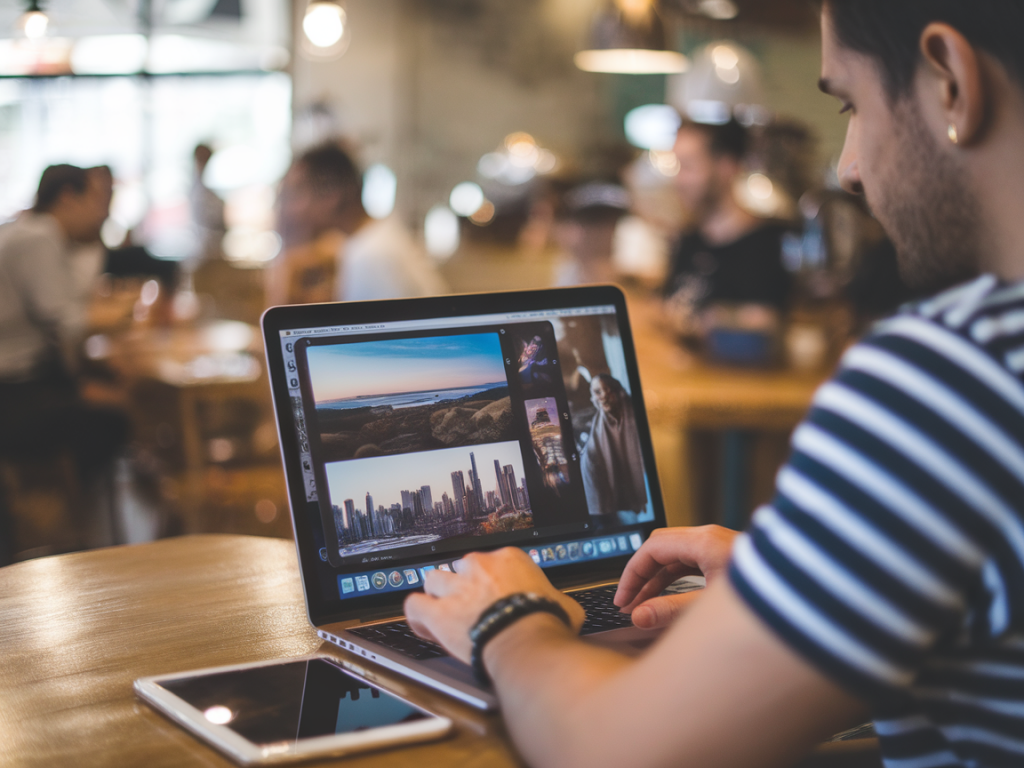
I remember the first time I saw a photograph that felt like a small miracle: a grainy street scene transformed by patient cropping and careful colour work into a moment that told a story. Freelance photographers have always relied on craft to add value — eye, timing, editing skill. Now, with Apple rolling out AI-powered camera features across iPhones and platforms, that craft is being joined (and sometimes challenged) by automation. I've been thinking about what this means for freelancers who sell photos, from hobbyists listing stock images to professional photojournalists licensing work to editors.
What are Apple's new AI camera features?
Apple has introduced several AI-enhanced tools within the camera and Photos app: on-device scene recognition, instant background removal, smart subject selection, improved low-light processing, and semantic search that can identify objects, places, and people across your library. These features use machine learning models to suggest edits, automatically crop for better composition, and even generate alternative versions of an image.
Some of these capabilities are subtle — better HDR or noise reduction — while others are more transformative, like replacing skies, removing objects, or isolating subjects cleanly without a manual mask. Apple emphasizes privacy by running models on-device where possible, which matters for creators concerned about cloud processing and rights.
How will these tools change how freelancers sell photos?
Short answer: they change workflows, expectations, and the baseline of what "finished" looks like.
Here are the main shifts I'm seeing:
Who benefits most?
Not every photographer will be affected the same way. From where I stand, the winners fall into a few categories:
Who might lose out?
There are groups who face headwinds:
What practical changes should freelancers make now?
From my reporting and conversations with photographers, here are practical steps you can take:
How will marketplaces and clients react?
Marketplaces like Getty, Shutterstock, and Adobe Stock will likely adapt their curation standards. Expect stricter metadata requirements or premium tiers for verified original work. Clients will also evolve: some will accept AI-polished smartphone shots for web use, while others (publishers, magazines) will still demand higher-end cameras and licensed rights for exclusivity.
Brands that value consistency across campaigns will pay for photographers who deliver not only technically perfect files but also a consistent aesthetic and brand understanding. That’s where freelancers who marry AI efficiency with creative consistency will find steady revenue.
Is there an ethical or legal angle?
Absolutely. AI edits complicate attribution and authenticity. Photojournalists and documentary photographers have ethical obligations about manipulation. Freelancers must be transparent when significant elements of an image are altered. On the legal side, using AI-generated or heavily edited images in advertising can raise copyright or misrepresentation questions — especially if people, logos or property are manipulated without release forms.
| Concern | Action |
|---|---|
| Authenticity | Disclose edits; keep originals |
| Copyright | Ensure model/property releases; clarify licensing |
| Client expectations | Set clear deliverables and permitted edits in contracts |
What I recommend to freelancers starting today
If you're a photographer or visual freelancer, start by experimenting with Apple’s AI features on a few test shoots. Measure time saved and note what still needs your hand. Update your portfolio to showcase how you use AI to enhance rather than replace craft. And most importantly, reframe your services: package skills that AI can’t commodify — relationships, access, storytelling, and voice.
Apple’s AI camera features won’t make photographers obsolete, but they will lower the barrier for many types of images and compress the market for routine work. For those who adapt, there’s an opportunity to be faster, sell smarter, and focus on the creative parts that clients still pay a premium for.