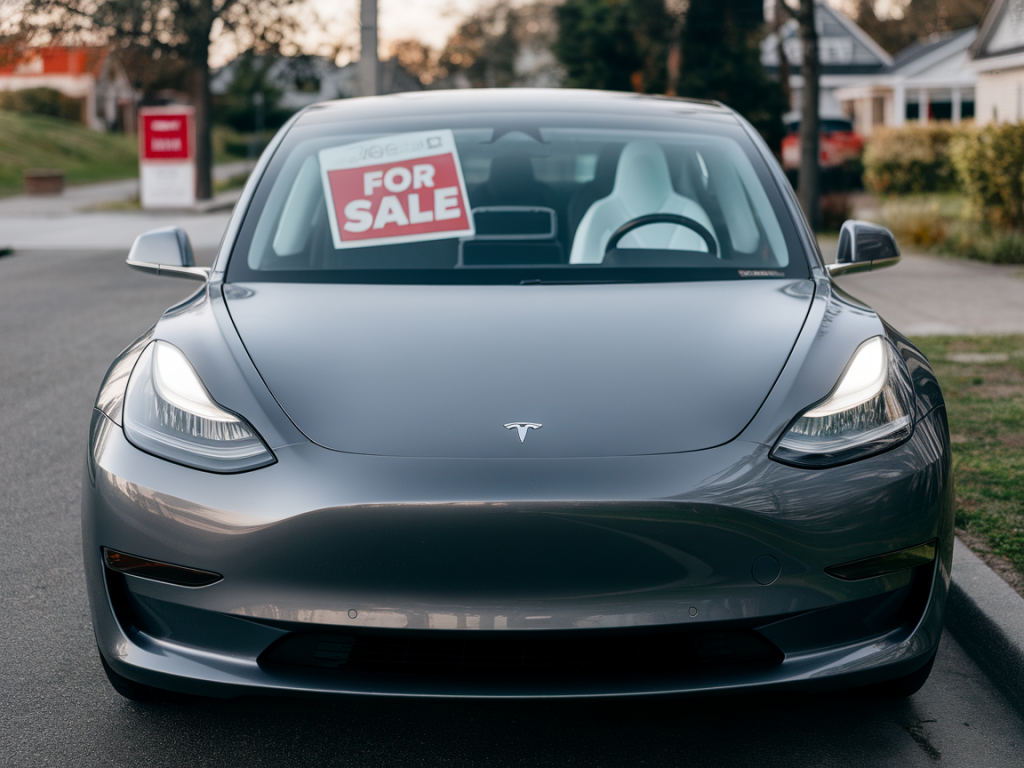
I watched Tesla’s latest over-the-air software update roll out to my car with the same mixture of curiosity and mild apprehension I reserve for any major change to something I use every day. If you own — or are considering buying — a Tesla on the used market, you should care about this update because software now shapes a vehicle’s value as much as mileage, condition, and options once did.
What the update actually does
The update Tesla just released bundles a mix of features and changes: improved energy management for range optimization, tweaks to the Autopilot and Full Self-Driving (FSD) user interface, revised in-car entertainment options, and new diagnostics and telemetry accessible to Tesla service centers. Some of these are cosmetic; others alter core vehicle capabilities and the user experience.
Two points matter most for resale value: first, whether an update adds or removes functional features that buyers care about (like range gains or Autopilot refinements); second, whether it changes how Tesla handles feature access via subscriptions or hardware gating. Both can materially shift demand—and therefore prices—in the used market.
Why software updates have outsized influence on used EV values
Unlike combustion cars, electric vehicles—especially Teslas—rely heavily on software to unlock and enhance performance. I often tell readers that with Teslas, you buy more than a physical asset: you buy access to an evolving digital ecosystem. That creates four implications for resale:
- Feature evolution: A car can gain meaningful new capabilities after purchase (for example, improved range or new driver-assist features), which can raise desirability.
- Subscription models: Tesla increasingly separates functionality between what’s included and what requires an ongoing fee (e.g., FSD beta). That affects the value of a used vehicle depending on what the seller can transfer.
- Hardware relevance: Software advances expose hardware limits. New features may be gated behind newer camera suites, sensors, or compute units, making older models less able to benefit.
- Brand trust and perception: Frequent, visible updates can either reinforce Tesla’s image as cutting-edge or highlight inconsistency and risk—both sway buyer confidence.
How the new update could raise used prices
There are specific mechanisms through which a software update can increase resale values. In this release, Tesla claims improved energy management that yields a few percent more real-world range for certain models. That matters: range is the single most expensive-feeling deficit for EV buyers contemplating used options.
Imagine I’m selling a 2019 Model 3 with an advertised 250-mile range. If buyers report seeing 10–15 miles more each charge since the update, that increases perceived utility immediately. Increased range reduces range anxiety, widening the pool of potential buyers and allowing sellers to command slightly higher prices.
Similarly, improvements to Autopilot stability and smoother lane changes make the driving experience feel newer. For many used buyers, perceived obsolescence is more emotional than technical—a car that “feels” modern fetches a premium. When software updates make older Teslas feel current, they can narrow the depreciation gap between model years.
How the update could depress used values
Not every update helps. There are three key risks I track that can hurt resale values:
- Feature pullbacks or subscription creep: If Tesla moves previously standard features into paid subscriptions or requires a subscription to access improved capabilities, that reduces the out-of-the-box value of used cars whose owners can’t or won’t transfer subscriptions.
- Hardware obsolescence: New software that requires upgraded sensors or compute makes older vehicles unable to access future improvements. Buyers factoring in long-term upgrades might discount older models more steeply.
- Reliability or privacy concerns: New telemetry and diagnostics that increase remote control or data collection can unsettle privacy-conscious buyers, reducing demand among that cohort.
In this update, Tesla also tightened telemetry and diagnostics, giving service centers deeper visibility and control. Some buyers see that as beneficial (better remote troubleshooting); others worry about data or about Tesla limiting aftermarket modifications. Those concerns can carve out a segment of buyers who will downgrade older Teslas in favor of rivals or non-connected vehicles.
Practical questions buyers and sellers ask — and my answers
Will a new update make my older Tesla worth significantly more?
Probably not dramatically. Software improvements that boost range or driving feel can produce small but meaningful price bumps—think low-single-digit percentage points in many cases. The biggest gains happen when a feature previously available only in newer models becomes usable on older hardware via software.
Can a seller transfer premium features like FSD to a buyer?
It depends. Tesla’s policies evolve. Historically, some features were tied to VINs and could be transferred; others were linked to accounts and required Tesla’s intervention. If you’re selling, verify what’s tied to the car, what can be transferred, and whether any outstanding subscriptions can be handed off. That clarity can materially help negotiation.
Should I wait to buy a used Tesla until after more updates land?
If you can wait and if you’re targeting specific software-enabled features, it makes sense to watch update rollouts. However, updates aren’t guaranteed to change long-term depreciation trends—hardware, battery health, and maintenance history still dominate. Don’t delay if the car otherwise meets your needs and price range.
Are non-Tesla EVs affected by Tesla’s software play?
Yes, indirectly. Tesla’s model of continuous improvement has reset buyer expectations across the EV market. Brands like Hyundai, Ford, and Volkswagen now offer regular OTA updates, and buyers increasingly expect software-driven improvements. That raises the baseline for what buyers demand from any used EV, pushing up the importance of update-friendly ecosystems.
What I’m watching next
I’ll be monitoring three indicators to see how this update impacts the used market: listing prices for affected Model 3 and Model Y years on platforms like AutoTrader and CarGurus; buyer sentiment in forums and social media (Reddit’s r/TeslaModel3 is an especially lively barometer); and Tesla’s policy notices about subscription transferability or hardware support windows.
If you’re selling, document your update history, know what features are transferable, and highlight improvements to range or handling in your listing. If you’re buying, ask the seller to demonstrate the update’s effects and confirm what features you’ll retain post-sale. In both cases, treat software as an asset—and a potential negotiation point—rather than an invisible afterthought.