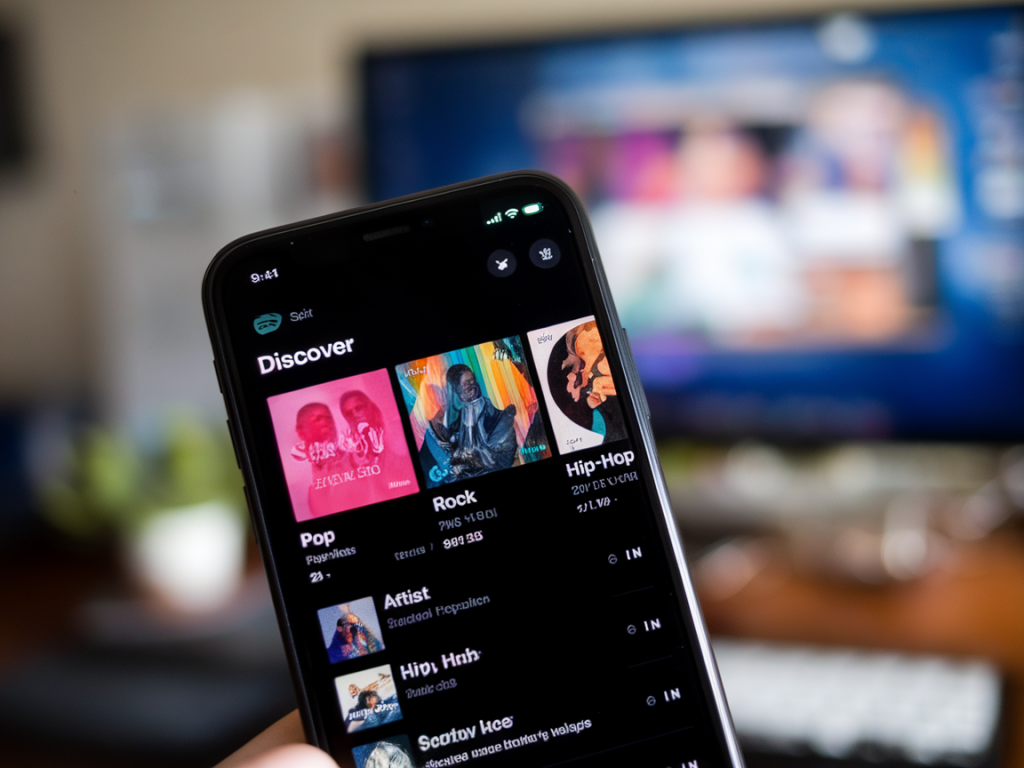
I remember the first time a playlist algorithm introduced me to an artist I’d never heard of: it was one of those late-night Spotify Discover Weekly hits that felt like a private radio station tuned to my mood. Since then, algorithms have done more than surprise me with new tracks — they have come to dictate which artists rise from obscurity into broader recognition. As someone who watches culture and tech intersect, I find the mechanics and consequences of those algorithms endlessly fascinating — and increasingly consequential for artists, labels, and listeners alike.
How algorithmic discovery actually works
Behind the friendly interfaces of Spotify, YouTube, TikTok, and Apple Music are different recommendation engines built around a few shared ideas: data, prediction, and feedback loops. Platforms ingest behavior — plays, likes, skips, watch duration, shares — and use that to predict what a user will engage with next. The more signals an artist accumulates, the more likely the algorithm is to amplify them.
That model creates a system where early momentum matters. If a track gets a burst of strong engagement in new listeners’ feeds, it’s much more likely to be put in curated playlists, recommended on people’s home pages, or pushed into “For You” streams. I think of it as algorithmic matchmaking: platforms try to pair content with receptive audiences, and they learn which pairings work best by watching who stays tuned.
Playlists, trends and the new gatekeepers
Playlists used to be curated mainly by radio DJs and music editors. Today, official platform playlists (like Spotify’s “Today’s Top Hits”), influencer-curated lists, and algorithmic mixes sit side-by-side. That mix of human curation and machine recommendation has reshaped gatekeeping. A playlist placement can skyrocket a song’s streams — but the path to that placement is murky.
- Editorial playlists still matter: getting on a high-profile list can be transformative.
- Algorithmic playlists multiply exposure: personalized mixes are huge drivers of discovery.
- Viral platforms like TikTok can create lightning strikes: a short clip synced to a catchy hook can push a release into global awareness in days.
For artists, that means strategies now include short-form video campaigns, playlist pitching, and encouraging high retention (so listeners don’t skip early on). It’s not just about making music anymore; it’s about making music that fits the signal patterns algorithms reward.
Biases baked into data
Algorithms aren’t neutral. They amplify what their training data values. If a platform’s user base skews young, urban, or regionally concentrated, the recommendations will reflect that taste. If a genre historically gets fewer editorial nods, the algorithm will have fewer examples to learn from and may underserve it. These feedback loops can reinforce existing inequalities.
Consider language and geography: artists singing in less-spoken languages can struggle to break into global algorithmic feeds because fewer cross-region engagement signals exist. Similarly, marginalized artists who lack access to label resources for promotion can find their work trapped in low-visibility pockets of the platform.
What artists and labels are learning — and doing differently
Labels and independent artists have adapted quickly. Data-savvy teams analyze microtrends to time releases when algorithmic appetite is highest. They optimize tracks for streaming formats (shorter intros to reduce skips, memorable hooks early) and design promotional campaigns to trigger engagement signals that platforms reward.
- Micro-targeting: launching in specific regions or playlists to create concentrated engagement.
- Short-form content: using TikTok or Instagram Reels to create viral moments that feed recommendation systems.
- Engagement engineering: encouraging saves, repeats, and full plays to boost algorithmic favor.
Some artists chafe at this. The push to craft songs for algorithmic performance can feel like composing to a formula. But pragmatic musicians recognize the reality: visibility on platforms is essential to building audiences, touring, and earning from streams.
The role of major platforms — and why differences matter
Not all algorithms are created equal. I like to break it down simply:
| Platform | Discovery Driver | Artist Impact |
|---|---|---|
| Spotify | Editorial playlists + personalized mixes | Playlist placement can define careers; editorial favor matters |
| YouTube | Watch time + recommendation sidebar | Visuals and engagement determine reach; long-form content can build deep fandom |
| TikTok | Short viral clips + sound reuse | One viral sound can make a global hit overnight; low barrier to entry |
| Apple Music | Curated playlists + editorial content | Strong editorial influence; typically favors established and emerging acts in tandem |
That table simplifies a complex reality, but it highlights something I often remind readers: where you try to build an audience matters. An act that explodes on TikTok may find fewer streams on Apple Music unless the campaign bridges platforms.
Transparency, fairness and the call for better systems
One recurring question I hear from readers and creators is: should we demand more transparency from platforms about how recommendations work? I think yes. Artists deserve to know what drives distribution decisions, and listeners deserve tools that help them discover a broader range of voices.
Several reforms are possible:
- Greater transparency about ranking signals and playlist selection criteria.
- Tools for smaller artists to surface in personalized mixes (better onboarding for niche genres).
- Supporting editorial diversity so algorithms have richer training data that reflects varied tastes.
Some platforms are experimenting with features that hint at why a track was recommended (“because you liked X”), which helps demystify the system. Others allow artists to submit metadata or campaign info to editorial teams. These are small steps, but they matter.
What listeners can do
As a listener, you are part of the algorithm. Your plays, saves, and shares change the ecosystem. If you want to see more diverse music promoted, you can act intentionally:
- Save and share songs from emerging artists to send stronger engagement signals.
- Explore editorial and community playlists outside your usual habits.
- Support artists directly where possible (Bandcamp, merch, concerts) to reduce sole reliance on platform algorithms.
I've started building my own cross-platform playlists for that reason — a small practice, but one way to push back against purely algorithmic diets.
New discoveries, new responsibilities
Algorithms have democratized discovery in important ways: an independent artist can now reach millions without a major label. Yet they also concentrate power in opaque systems that reward certain behaviors and tastes. I don’t think the answer is to abandon these platforms — they’re where listeners are — but to insist on better transparency, more equitable features, and smarter engagement from artists and audiences.
On Latestblog Co, we’ll keep tracking how these dynamics evolve, because the way music is discovered shapes culture itself. If you’re an artist, a listener, or someone studying these shifts, I’d love to hear what you’ve seen work — and what still feels unfair or broken. Your experiences are part of the data that should inform better systems.