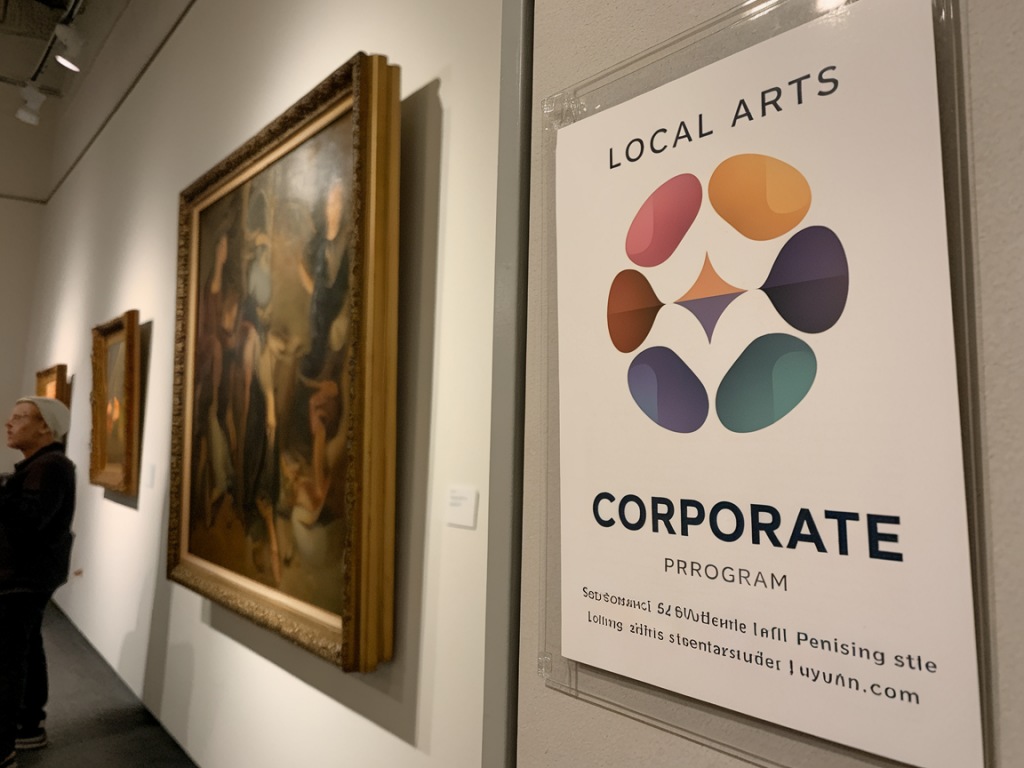
I remember the first time my newsroom partnered with a small local theatre for a weekend panel on press freedom. The staff who volunteered to help were tired but entirely energized; audience members lingered afterward, chatting with reporters, asking questions that mattered. That weekend taught me something simple: when a company puts its name behind local arts, it’s not just buying advertising space — it’s investing in a shared cultural moment. And those moments, over time, shape reputation and loyalty in ways that spreadsheets can only start to explain.
Why companies sponsor local arts at all?
At first glance, sponsoring a community gallery, youth orchestra, or public mural project can look like a soft, feel-good line item on a marketing budget. But I’ve seen how that softness translates into durable value. Companies pursue arts sponsorship for a few clear reasons:
All of these are legitimate. But there’s a deeper dynamic at work: stories. Arts programs generate stories that people want to tell: “My company supported this mural,” or “Our brand helped fund after-school music lessons.” Those narratives travel through social media, word of mouth, and local press — and they carry emotional weight.
How sponsorship changes corporate reputation
Reputation is an accumulation of impressions: what people see, hear, and feel about your company. Support for the arts nudges those impressions in specific directions.
But authenticity matters. I’ve seen sponsorship backfire when it’s perceived as a thin marketing ploy or when a company tries to dominate the artistic voice. Audiences and artists can smell inauthenticity fast. That’s why structure and respect are vital: funding that preserves artistic independence and equals partnership, not control, tends to pay the best reputational dividends.
How sponsorship drives customer loyalty
Customer loyalty isn’t just repeat purchases; it’s an emotional preference that shapes choices when alternatives exist. Arts sponsorship contributes to that preference through a few mechanisms:
Consider a coffee chain that funds an open-mic program: regulars who perform or attend begin to associate the brand with personal milestones. Even if another chain offers a cheaper latte, the emotional tie often wins.
Which sponsorship models work best?
Not all sponsorships are created equal. I’ve watched successful companies follow patterns that prioritize relationship-building and community outcomes rather than mere logo placement.
How to measure impact without reducing art to numbers
Measuring the value of arts sponsorship is tricky because not all benefits are immediately quantitative. Still, tracking a mix of metrics helps justify investment and refine strategy:
| Type | Example metrics |
| Awareness | Local media mentions, social impressions, event attendance |
| Engagement | Event RSVPs, newsletter signups from events, time spent at activations |
| Customer behaviour | Repeat purchase rates among event attendees, redemption of event-linked promotions |
| Employee impact | Volunteer participation rates, internal NPS changes, retention among staff who participate |
| Community outcomes | Number of artists supported, youth reached, program continuance beyond sponsorship |
Quantitative measures are essential, but qualitative feedback — artist testimonials, audience stories, and case studies — often provides the clearest evidence of long-term value. I keep a file of quotes and photos from sponsored events because they remind stakeholders what the numbers alone cannot: the human moments.
Potential pitfalls and how I’d avoid them
I’ve seen several ways well-intentioned sponsorships stumble. Avoid these common mistakes:
Real-world examples that teach useful lessons
I think of brands like LEGO and Apple, which have curated cultural associations without forcing themselves into the creative process. LEGO’s community-driven projects and Apple’s investments in music and creative tools tie their products to creativity genuinely. Locally, I’ve seen regional banks sponsor youth music programs and be rewarded with a surge of goodwill and new customer relationships among families who value those services.
Another instructive case: a retail chain I followed funded a public mural program but tried to dictate subject matter. The backlash taught them — and other sponsors watching — that arts support must respect the artist's voice. They revised their approach to fund grants rather than commissions, and community sentiment shifted back in their favor.
Sponsoring local arts isn’t a silver bullet. But when done thoughtfully, it’s a strategic investment in reputation, relationships, and the stories that bind customers to brands. For any company considering this route, I’d recommend starting with listening: talk to artists, community leaders, and potential audiences before signing the cheque. Build from genuine curiosity and respect, and you’re far more likely to see those cultural moments translate into long-term loyalty.