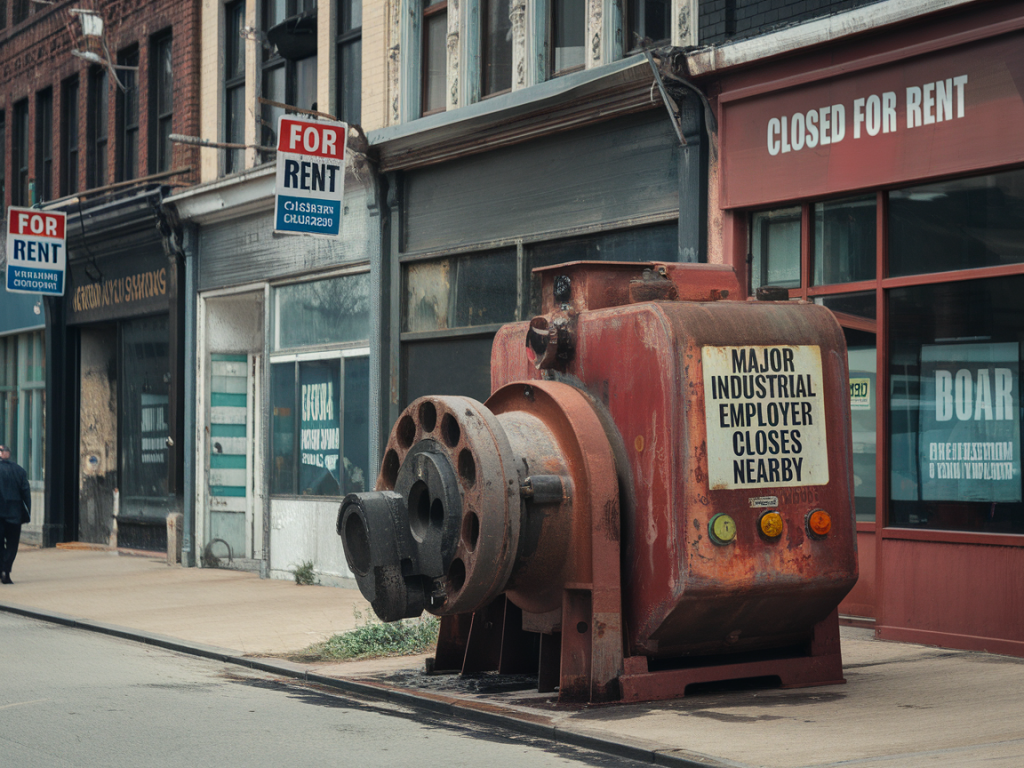
I remember the day the factory two miles from my flat closed. The town had buzzed for decades around that site: shifts, school runs timed to the whistle, local shops that relied on paydays. When management announced the closure, the immediate worries were jobs and the local economy. But people I spoke to—friends, union reps, older neighbours—had another fear tucked beneath the headlines: what will happen to my pension?
That question matters because pensions are often the most important financial cushion people have. The short answer is: it depends. The type of pension, the employer’s obligations, and the protections in place all shape the outcome. Below I walk through the scenarios most people face in the UK, practical steps you can take, and the questions you should be asking your employer and trustee.
Defined benefit (final salary) vs defined contribution: the crucial distinction
One of the first things I ask someone in this situation is whether their pension is a defined benefit (DB) scheme or a defined contribution (DC) plan.
DB pensions promise a specific income in retirement, usually based on your salary and years of service. These schemes are employer-backed: the company (through the pension fund) bears the investment and longevity risk. If the employer goes bust, the pension scheme might be short of money—but there are protections.
DC pensions are pot-based: you and your employer pay into a fund that you then invest. Your retirement income depends on how much gets paid in and how well investments perform. If an employer shuts down, your DC pot is insulated from the company’s bankruptcy in the sense that the assets are usually held separately, but future contributions and any employer top-ups cease.
What happens to defined benefit pensions if the employer collapses?
If a company closes and its DB pension is underfunded, the Pension Protection Fund (PPF) can step in in the UK. I’ve spoken to trustees who treated a PPF entry as a relief—not perfect, but protective.
Key points about PPF and DB schemes:
In practice, if you’re in a DB scheme at a company closing nearby, your immediate actions are to check communications from trustees, contact the Pensions Advisory Service or the PPF helpline, and review your annual benefit statement to understand your entitlements.
What happens to defined contribution pensions?
DC pots are usually held with a pension provider (for example, Aviva, Scottish Widows, Legal & General or workplace pension platforms). Those assets are legally ring-fenced from the employer’s creditors, so the pot itself isn’t swallowed by corporate insolvency. However:
What matters most for DC members is continuity and fees: transferring to a low-cost provider and consolidating small pots can prevent erosion of value over the long term.
Redundancy, final salary members and early leavers: common outcomes
When workers are made redundant because a plant closes, pensions interact with redundancy packages, notice pay and final salary calculations:
Practical steps I recommend if a major employer near you announces closure
Deciding whether to transfer a final salary pension
This is a hot topic. I’ve interviewed advisers who warned people away from transferring DB benefits lightly—because you give up a guaranteed income for a pot that depends on investments and your own longevity. Yet some people transfer if they need flexibility or want to consolidate wealth.
Questions to ask your employer and trustees right away
Simple comparative snapshot
| Scheme type | Main risk | Protection if employer fails |
| Defined benefit | Employer funding/insolvency | PPF compensation (subject to limits) |
| Defined contribution | Investment performance; contribution stoppage | Assets ring-fenced; pot remains but no new employer contributions |
If you’re reading this because your local plant is under threat, you’re not alone—and your pension is not necessarily lost. But the path forward depends on the scheme type, the trustees’ actions, and whether insolvency proceedings start. My practical advice: get the facts in writing, seek independent guidance if needed, and prioritise clarity—pensions are complex, and a clear picture beats panic.