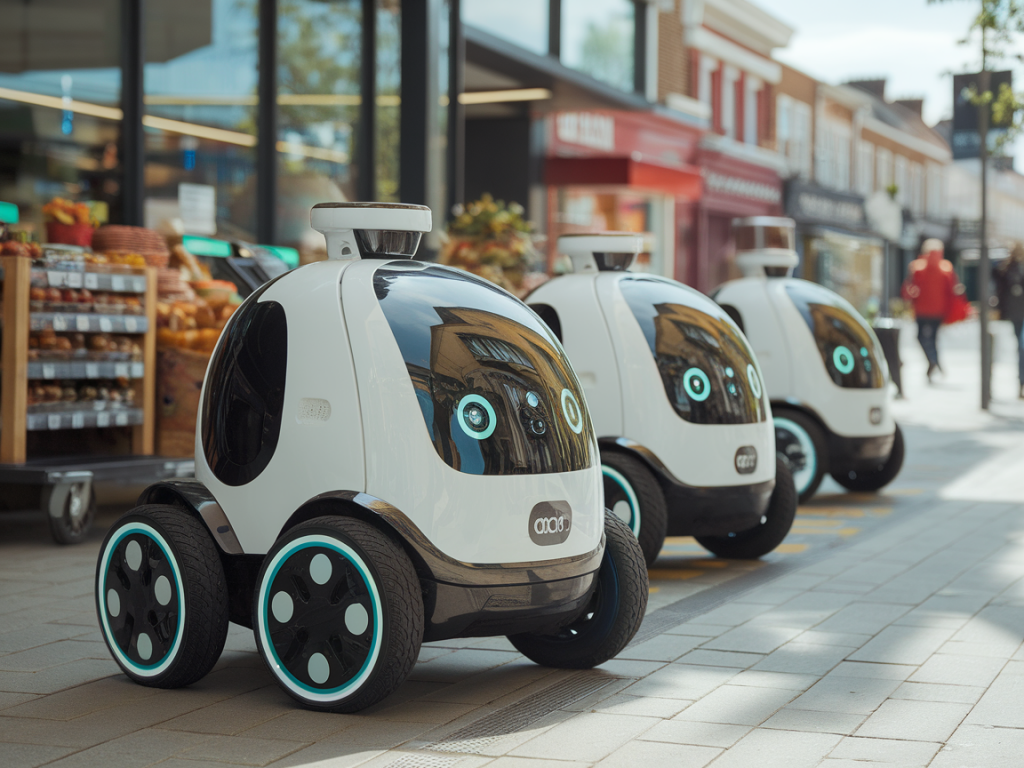
I watched a supermarket van pull up outside my neighbourhood shop the other day, the driver juggling a tablet, a coffee and a stack of parcels. It’s a scene most of us recognise: the last-mile delivery workforce keeping our instant-gratification economy moving. But what happens if that van is replaced by a small autonomous vehicle or a wheeled robot? As retailers such as Tesco, Sainsbury’s and Ocado pilot driverless deliveries and tech firms roll out robot couriers, I’ve been asking the people who will be most affected: local drivers, depot managers, town planners and the shoppers themselves.
Why supermarkets are experimenting with autonomy
From the supermarket’s perspective, autonomous delivery promises clear upsides: lower variable labour costs, longer operating hours, and potentially faster and more reliable last-mile logistics. Companies like Ocado have long invested in automation in warehouses; Kroger, Walmart and Amazon in the US are trialling sidewalk robots (like those from Starship Technologies) and driverless vans (from Waymo and others). In the UK, trials are smaller in scale but growing.
That arithmetic — replace hourly-paid drivers with one-time capital for robots and recurring software fees — is attractive. But it’s not just about cutting wages. Supermarkets also point to sustainability benefits (smaller electric robots reduce emissions per delivery), efficiency (automated route optimisation), and customer service (predictable time slots and live tracking).
What local drivers tell me
I spoke to current delivery drivers: agency drivers, supermarket-employed drivers and self-employed courier partners. Their concerns fall into three buckets.
Some drivers I spoke to were pragmatic. Younger couriers with skills in vehicle tech or route planning viewed the shift as an opportunity to move into supervisory or maintenance roles. Older drivers, or those on zero-hours contracts, felt marginalised.
How wages could change
There’s no single trajectory for wages — it depends on how companies implement autonomy and on regulation. But here are plausible scenarios I encountered in conversations with economists and unions:
When I asked a representative from a delivery drivers’ union, they stressed the need for binding agreements: “Trials don’t have to mean wholesale job losses. They must include job transition plans, wage protections and local hiring commitments.”
Town-centre traffic and urban space
One promise of autonomous delivery is fewer large vans clogging city centres — substituted by compact electric delivery robots or consolidated drop-off hubs. But the reality is mixed.
Town planners I spoke with emphasised that outcomes depend on design choices. If supermarkets and councils plan proactively — creating micro-distribution hubs, safe robot lanes and clear parking rules — the net effect could be positive. If not, we risk new conflicts between pedestrians, cyclists and machines.
Who gains, who loses — a quick breakdown
| Gains | Losses |
| Supermarkets: lower long-term operating costs, improved delivery efficiency | Local drivers: potential job displacement and wage pressure |
| Consumers: cheaper or faster deliveries, expanded delivery windows | Town centres: risk of sidewalk clutter and changed public space |
| Environment (potential): fewer fossil-fuel trips if electrified | Small couriers: squeezed margins and reduced contract opportunities |
Policy levers and employer responsibilities
If we want to steer this transition to serve the public interest, several policy levers matter:
I asked a city councillor whether they’d consider a “robot licensing” scheme for pavements. They said it’s under active discussion: “We want innovation, but not at the expense of accessible streets.”
Questions readers are asking — and what I’d tell them
As I’ve reported and debated with stakeholders, the technology isn’t destiny; it’s a choice. Supermarkets see autonomy as a tool to cut costs and meet customer expectations. Drivers and communities see a different set of risks. The decisions we make — in boardrooms and town halls — will determine whether this shift hangs a “for better” or “for worse” sign over our high streets.